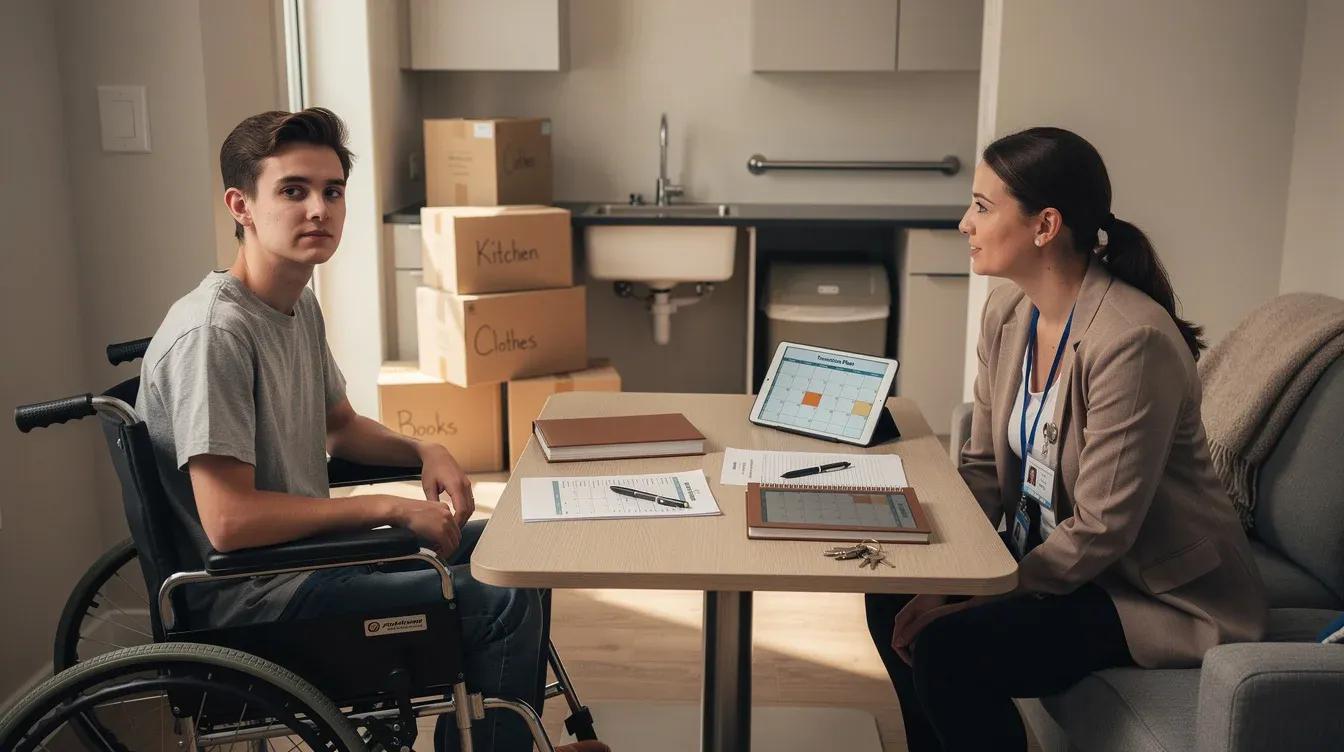


Moving to supported independent living is a big step. It requires careful planning, honest self-assessment, and the right support in place.
At Nursed, we’ve created this guide to help you navigate SIL transition planning with confidence. Whether you’re just starting to think about independent living or you’re ready to make the move, you’ll find practical steps and real strategies here.
Is SIL Right for You Right Now?
What SIL Actually Funds
Supported Independent Living under the NDIS funds support workers to help you with daily tasks in your own home-not the housing itself. This distinction matters because it changes how you plan the move. You’re not just finding a new place; you’re arranging ongoing help with personal care, meal preparation, household tasks, medication management, or overnight support. The NDIS determines whether SIL is reasonable and necessary based on your specific support needs, not on a checklist or single test.
Assessing Your Actual Support Needs
An Occupational Therapist assessment typically forms part of this process to evaluate what you can do independently and where you need consistent help. If you manage personal care, cooking, and daily tasks with family support that’s becoming unsustainable, or if you regularly miss medication doses, or if overnight supervision is needed for safety, these are concrete signs that SIL funding might suit you. The key is honesty about what you actually need versus what you might want. Many people delay exploring SIL because they assume they’re not ready, but readiness isn’t about being completely independent-it’s about having clear goals for greater independence with structured support behind you.
Checking Your NDIS Plan and Timeline
Your NDIS plan should already reference home and living goals if SIL is a realistic option for you. If a plan review approaches, that’s the ideal time to request a SIL assessment and start gathering evidence with your Support Coordinator. A Support Coordinator helps you prepare a home and living statement and navigate the application, which typically takes time. Don’t rush this phase. The transition itself-from approval through to moving in-can take weeks or months depending on funding approval, provider vacancies, and finding the right match.
Building Your Readiness
Practical readiness includes researching registered NDIS providers, understanding the difference between SIL and SDA housing, and having a connected support network aligned on the transition plan. If your family support is currently sufficient and independent living goals aren’t in your plan, SIL might not be the right move right now, but readiness can be revisited at future plan reviews. Once you’ve confirmed SIL is reasonable and necessary for you, the planning becomes concrete rather than hypothetical. With that confirmation in hand, you can move forward to the practical steps that transform your SIL goals into reality.
Getting Ready Before Moving Day
Build Your Life Skills Early
The gap between NDIS approval and your move into independent living is when preparation matters most. Start with life skills that directly affect your daily independence. Personal care routines, meal preparation, and household management require practice before moving day arrives. Work with your Occupational Therapist to identify which skills need attention before the transition. If cooking is part of your independence goals, start with simple meals you can prepare repeatedly-not elaborate recipes. Practice these skills in your current home while family or existing support remains available. This approach builds your confidence and shows your SIL provider what you can already manage independently, which shapes how they structure your ongoing support.
Activate Your Support Network Now
Your support network needs to be active and aligned before moving day. A Support Coordinator becomes essential here, not just for NDIS paperwork but for connecting you with occupational therapists, financial advisers, and your chosen provider. Involve your family early in conversations about the move, including what concerns them and what success looks like to everyone involved. If you’re moving to shared accommodation, ask your provider specifically about housemate matching-how they assess compatibility and what happens if the match doesn’t work. During home visits, ask about overnight support availability, emergency protocols, and how staff handle unexpected situations.
Plan Your Finances Realistically
Financial planning shouldn’t wait until after approval. Map out your actual costs: rent, utilities, groceries, personal items, transport, and any additional expenses your current setup doesn’t require.
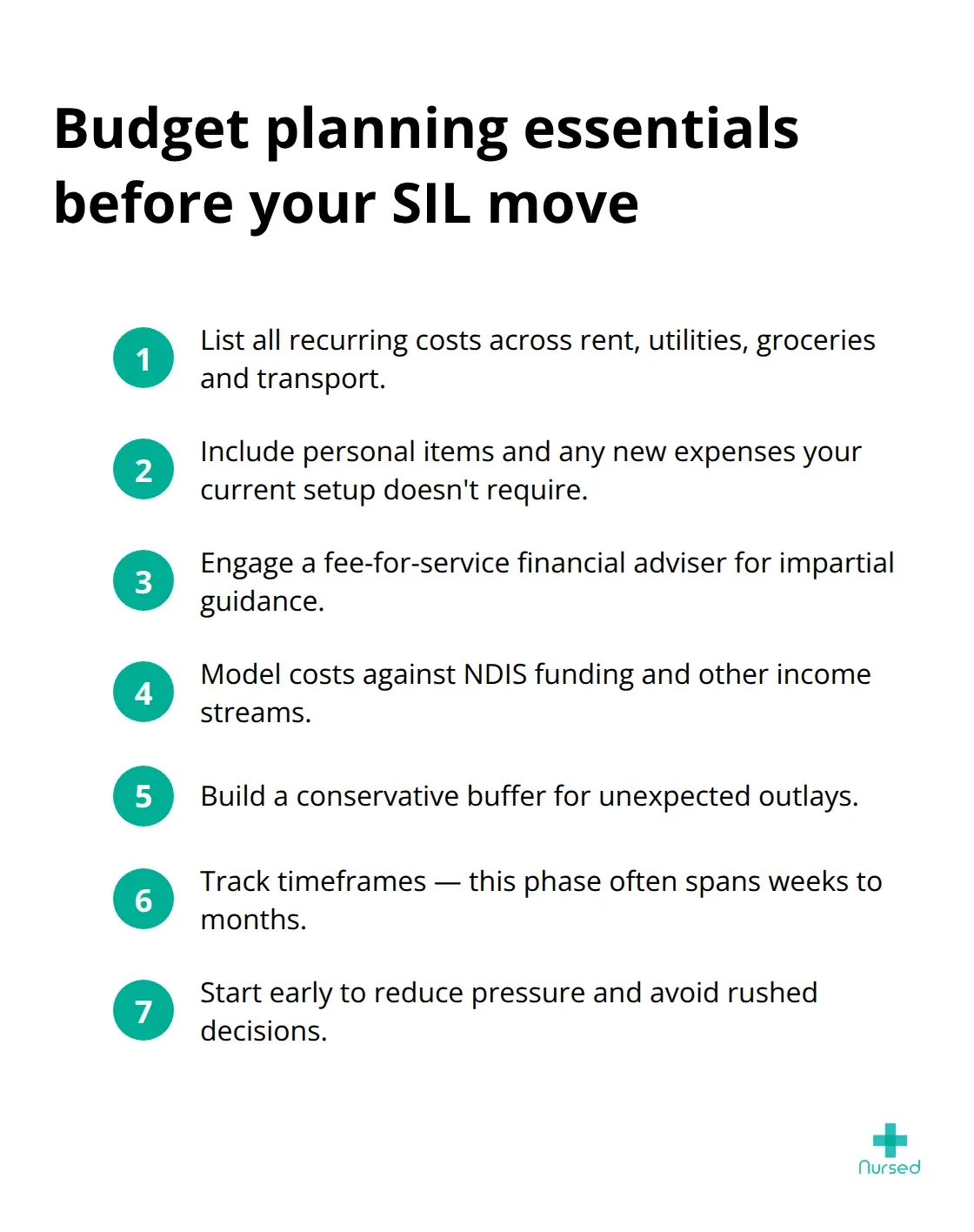
A fee-for-service financial adviser can help you model these costs against your NDIS funding and other income, ensuring your budget is realistic rather than optimistic. Structured guidance through budgeting provides a framework you can adapt to your specific situation. This preparation phase typically spans weeks to months, depending on how quickly you build skills and how soon your provider has an appropriate vacancy. Starting early removes pressure and gives you genuine readiness rather than rushed compliance.
Prepare for the Practical Transition
As your move approaches, the details matter. Work with your provider to personalise your new space with belongings from home, which eases the adjustment to a different environment. Trial visits or short stays before the full move help you gradually acclimatise to the new home and routines. Your Occupational Therapist can assist with establishing daily routines and independent living skills specific to your new setting. Discuss the transition openly with everyone involved-your family, your provider, and your support workers. Clear communication about expectations and concerns prevents misunderstandings once you’ve moved in.
Establish Continuity with Your Support Team
Consistent staffing reduces stress and improves outcomes during your transition. Ask your provider about continuity of care-whether the same support workers will be available regularly and how they handle staff changes. Building trust with your support team happens through reliable, familiar faces and respectful feedback. Once you’ve moved, regular check-ins and goal reviews with your provider keep the arrangement aligned with your actual needs. If issues arise, keep records of conversations and raise concerns early to address problems quickly. With these foundations in place, you’re ready to work with your NDIS planner and support providers to finalise the details that make your transition smooth and sustainable.
Working with Your NDIS Plan and Support Providers
Shape Your NDIS Plan with Specific Goals
Your NDIS plan forms the foundation of your SIL transition, but most plans won’t automatically structure themselves for independent living. You need to actively shape it. State what independence means to you with precision, not with vague aspirations. If your goal is to cook dinner three times a week, say that. If you need overnight support because you take medication at night, document that clearly. Vague goals like becoming more independent waste planning time and confuse your provider about what support you actually need.
When you meet with your NDIS planner, bring concrete examples of situations where you currently struggle. Did you miss three doses of medication last month? Did you burn food while cooking last week? These real situations carry more weight than general statements about needing help. Your Support Coordinator plays a critical role here-they help you understand and implement your NDIS plan and connect you with the right service providers. If you don’t have a Support Coordinator yet, that’s your first action. They help gather occupational therapy assessments, prepare your home and living statement, and navigate the NDIS application process, which typically involves multiple conversations and document submissions over several weeks.
Select a Provider Through In-Person Assessment
Choosing a provider matters as much as having funding approved. Visit potential SIL homes in person, not just virtually. Ask how many support workers typically work in the home and whether the same staff rotate regularly or change constantly. Consistent staffing directly affects your wellbeing and outcomes.
During your visit, check practical details: Can you access the bathroom independently, or do doorways need widening? Are there handrails where you need them? How do staff handle overnight emergencies? Ask about the housemate matching process specifically-how they assess whether people will live well together and what happens if it doesn’t work. Some providers match based on similar interests or routines; others focus on compatible support needs. Neither approach is inherently better, but you need to know which philosophy guides the provider you’re considering.
Build a Realistic Transition Timeline
Once you’ve chosen a provider, work with them to create a realistic transition timeline. Most transitions take eight to sixteen weeks from NDIS approval to moving day, depending on funding processing time and provider vacancies. Build in buffer time-things rarely move faster than expected. Your Support Coordinator should help you create a checklist covering NDIS documentation, home visits, skill-building sessions, financial planning, and trial visits.
Assign dates to each item and review progress fortnightly with your provider and family. This structured approach prevents the chaos that happens when people treat the transition as one big event instead of a series of manageable steps. A well-organised timeline keeps everyone accountable and reduces the stress that comes from uncertainty about what happens next.
Final Thoughts
A successful SIL transition planning process rests on three foundations: honest self-assessment, active engagement with your support network, and realistic timelines. You’ve now seen how to evaluate whether SIL suits you, how to build the practical skills and financial groundwork before moving day, and how to work with your NDIS planner and provider to turn your goals into a structured plan. The transition itself isn’t a single moment-it’s a series of deliberate steps that, when taken in order, transform independent living from an idea into your daily reality.
The real work happens before NDIS approval arrives, not after it. Building life skills, establishing your support network, and clarifying your goals with your NDIS planner create the conditions for a smooth move (and most people overlook this phase entirely). When you complete this groundwork, the actual transition becomes manageable rather than overwhelming.
Your Support Coordinator remains your central point of contact throughout this process. We at Nursed offer personalised care and support designed to enhance your independence through daily living assistance and tailored home modifications, and registered providers like ours exist specifically to guide you through every stage of your SIL transition planning journey.