

Community participation activities open doors to independence, connection, and purpose. Whether through volunteering, social programmes, or skill-building opportunities, staying active in your community shapes your wellbeing and sense of belonging.
At Nursed, we’ve seen firsthand how the right support makes participation possible. This guide walks you through finding activities that match your goals and taking meaningful steps toward greater engagement.
What Community Participation Really Means
Active Engagement Beyond Attendance
Community participation for people with disabilities means far more than occasional outings or passive attendance at events. You actively engage in activities that build skills, create genuine connections, and contribute to your sense of purpose. The NDIS recognises this through its Capacity Building component, which supports to help you maintain or build your skills and independence. This distinction matters because purposeful participation drives measurable outcomes. A cooking workshop teaches you meal planning, budgeting, and independent living skills. A volunteering placement provides structured work readiness experience that develops employability skills in a supported environment. Research shows that participants who engage in activities aligned with their NDIS goals experience greater improvements in independence, social confidence, and overall wellbeing compared to those attending generic programmes.
Targeted Activities Address Real Challenges
The right activity tackles specific challenges-whether that’s reducing anxiety in new environments, understanding social cues, or developing communication skills. Creative arts and digital media workshops cover digital art, photography, and music production with local artists in supportive settings. Adaptive sports programmes use modified equipment and rules to make physical activity accessible while improving health and teamwork. Social skills mentorship groups teach you to read social situations accurately, moving beyond theory into lived experience. Each activity connects directly to what matters to you, not what a service provider thinks you should do.
How Independence Grows Through Participation
Regular community participation accelerates independence in ways that daily support alone cannot achieve. When you navigate public spaces, manage social interactions, and try new activities within a supported framework, you develop real-world problem-solving skills and confidence. Outdoor adventure programmes build resilience and teamwork while teaching practical navigation skills. The NDIS funds these activities because evidence demonstrates they reduce long-term support needs and increase employment prospects. Participants who engage consistently report lower isolation, improved mental health, and stronger community connections.
Starting Small and Building Confidence
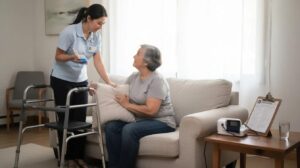
Your first community outing might feel daunting, but with appropriate transport assistance and a support worker present, you build the confidence for increasingly independent participation. Progress happens gradually-your achievements across activities reinforce your capability. Tracking your progress helps you recognise how far you’ve come and what you can accomplish next. This foundation of confidence and real skills positions you to identify which activities align best with your personal goals and interests.
What Activities Are Right for You
Match Activities to Your Interests and Goals
The breadth of community participation options available through NDIS funding means you can find activities that genuinely match your interests and goals rather than settling for generic programmes. Social and recreational activities form the foundation of community engagement, ranging from coffee meetups and community groups to swimming programmes, walking groups, and sports clubs. These activities build confidence in social settings and improve physical wellbeing, but the key is selecting ones you actually enjoy. A person interested in fitness might thrive in a gym session with a support worker, while someone preferring creative outlets finds more value in a photography group or art class.
Explore Work-Based and Volunteer Opportunities
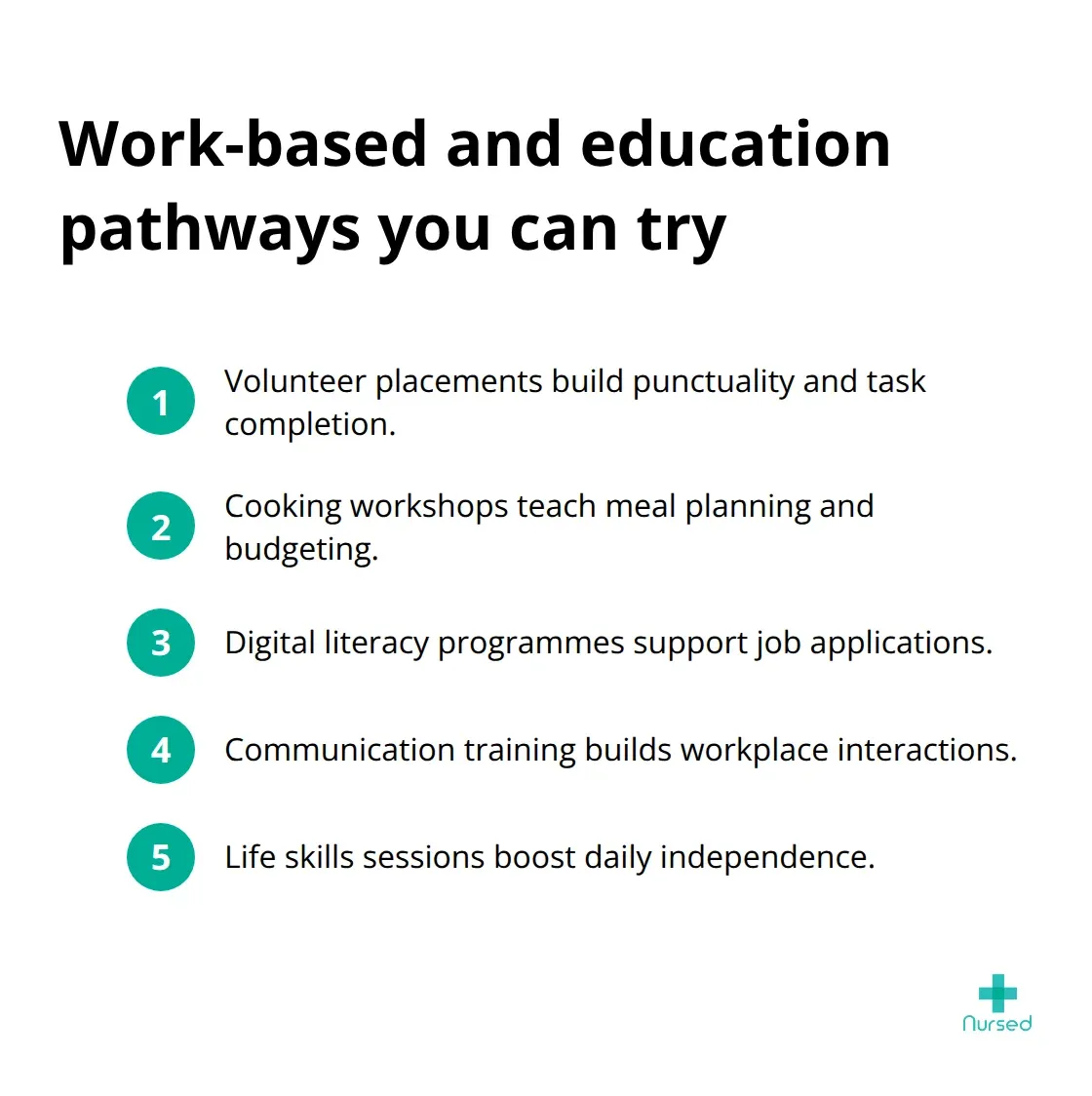
Volunteer and work-based activities sit at the higher end of engagement, particularly through local volunteering placements with charities and businesses that provide structured work readiness experience. These placements teach you real employability skills like punctuality, task completion, and workplace communication in low-pressure environments. Educational and skill-development programmes fill the gap between social participation and employment readiness, covering cooking workshops that teach meal planning and budgeting, communication skills training, digital literacy programmes for job applications, and life skills sessions.
The NDIS recognises these through its Capacity Building component, funding activities specifically designed to build your independence and reduce long-term support needs.
Prioritise Alignment Over Generic Participation
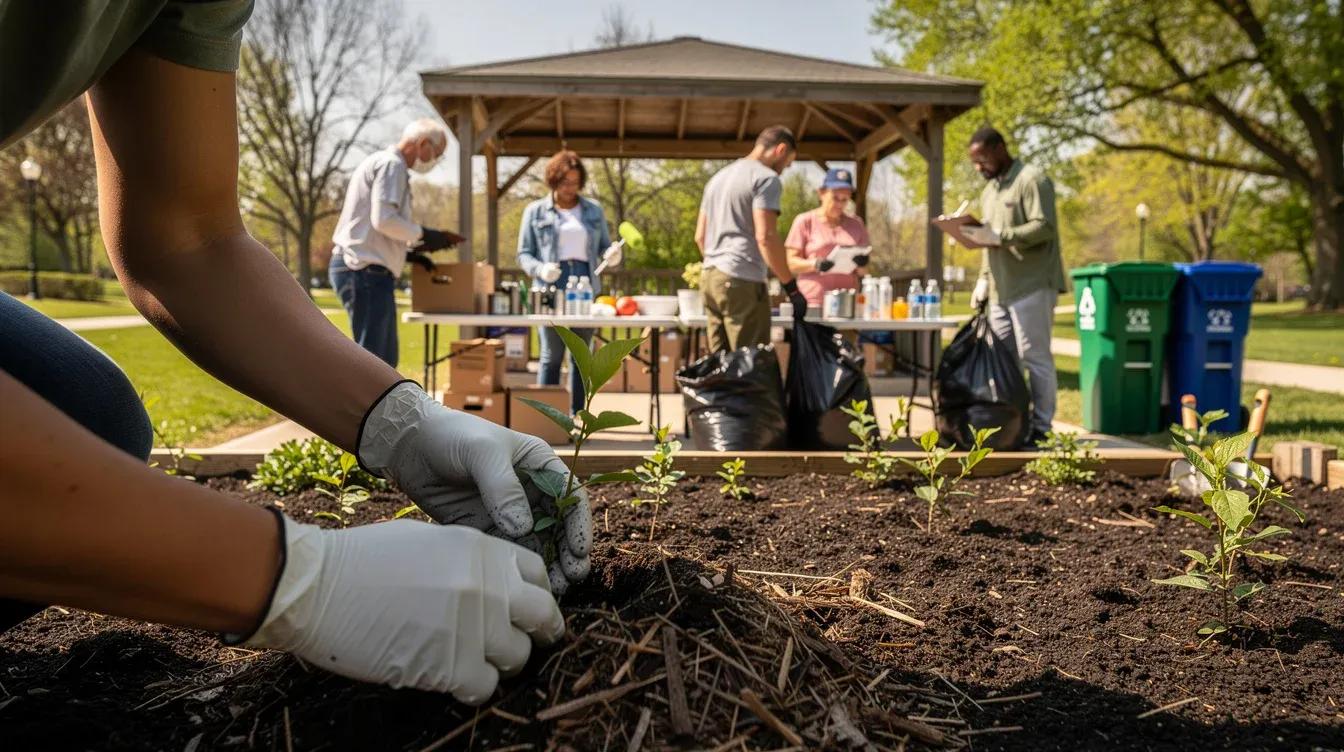
What separates meaningful participation from time-filling activities is alignment with your personal NDIS goals and your existing interests. A community garden project, for instance, combines physical activity, teamwork, and sustainability while producing fresh produce you take home, making it far more purposeful than attending a generic day programme. Adaptive sports programmes use modified equipment and rules to make physical activity genuinely accessible, not just nominally inclusive. Social skills mentorship groups teach you to navigate real social situations with a mentor present, rather than discussing social theory in isolation.
Remove Barriers and Track Your Progress
Transport assistance and a support worker attending your first few sessions removes the most significant barrier to participation. Progress happens gradually, and tracking your achievements across different activities helps you recognise patterns about what environments and activity types suit you best. This insight becomes invaluable when deciding where to focus your energy and NDIS funding for maximum impact on independence and wellbeing. Once you understand which activities resonate with you, the next step involves identifying how to actually access these opportunities in your local area.
Finding Activities That Fit Your Life
Identify What Energises You
Starting your community participation journey means being honest about what you actually want to do, not what you think you should do. Your NDIS support coordinator can help you map your current goals and interests onto available activities, but this conversation works best when you arrive with clear preferences. Spend time thinking about what energises you outside of your regular routine. Do you prefer working with your hands, being outdoors, connecting with people one-on-one, or engaging in group settings? Do you have employment aspirations that require specific skills, or are you primarily focused on reducing isolation and building confidence? The NDIS Capacity Building component funds activities aligned with these goals, so specificity matters.
Start With What You Already Know
If you’re uncertain, try activities that match existing hobbies or interests rather than attempting something completely unfamiliar. Someone who enjoys gardening at home might thrive in a community garden project where physical activity combines with teamwork and you take home produce. A person interested in digital technology benefits more from a structured digital literacy programme than a generic social outing. This foundation of familiarity builds your confidence faster than jumping into entirely new territory.
Research Local Programmes and Services
Once you’ve identified what appeals to you, research what’s actually available in your local area. Search your local council website for community programmes, check disability service directories specific to your state, and look at what NDIS-registered providers near you offer. Don’t assume programmes are full or unavailable without asking directly. Many providers have waiting lists but accept new participants regularly. Contact them by phone rather than email when possible, as you’ll receive faster responses and can ask detailed questions about whether a programme suits your specific needs and goals.
Work With Your Support Coordinator
Connecting with your support coordinator is where theory becomes action. Bring a list of activities you’re interested in, your employment or independence goals, and any barriers you anticipate (like transport needs or anxiety in new environments). Your coordinator accesses the NDIS participant portal to check your available funding and can flag which activities align with your plan. They also know local providers and can recommend services with strong track records. Ask your coordinator about transport assistance, whether a support worker can attend your first few sessions, and what happens if an activity isn’t working out. Good providers build in progress reviews after four to six weeks so you can adjust if needed. Some activities require allied health reports or specific assessments before you start, so clarify this upfront to avoid delays.
Explore Community Organisations Beyond NDIS Providers
Community organisations beyond NDIS providers also run activities that might be fundable. Your local sports club, art centre, library, or volunteer organisation often welcomes people with disability and can work with your support worker. The key is having that support person present initially to help you navigate the environment, manage anxiety, and build the confidence to participate more independently over time. This graduated approach works far better than expecting immediate independence in unfamiliar settings.
Final Thoughts
Community participation activities create real change in how people with disabilities experience independence and belonging. Participants who engage in activities aligned with their NDIS goals report lower isolation, improved mental health, and stronger community connections. The skills you develop through volunteering, social programmes, and skill-building activities compound over time, reducing your long-term support needs and increasing your control over your own life.
Meaningful community integration requires personalised support tailored to your specific goals, interests, and circumstances. Transport assistance, a support worker attending your first sessions, or help navigating the NDIS funding process all remove barriers that prevent participation. Progress happens gradually, and that’s exactly how it should-each activity you try, each skill you develop, and each connection you make builds the foundation for a more engaged and independent life.
Start with honest reflection about what energises you and what you want to achieve. Connect with your support coordinator, research local programmes, and ask questions about how activities align with your goals. Visit Nursed to learn how personalised support can help you access community participation activities and build the independence you’re working toward.